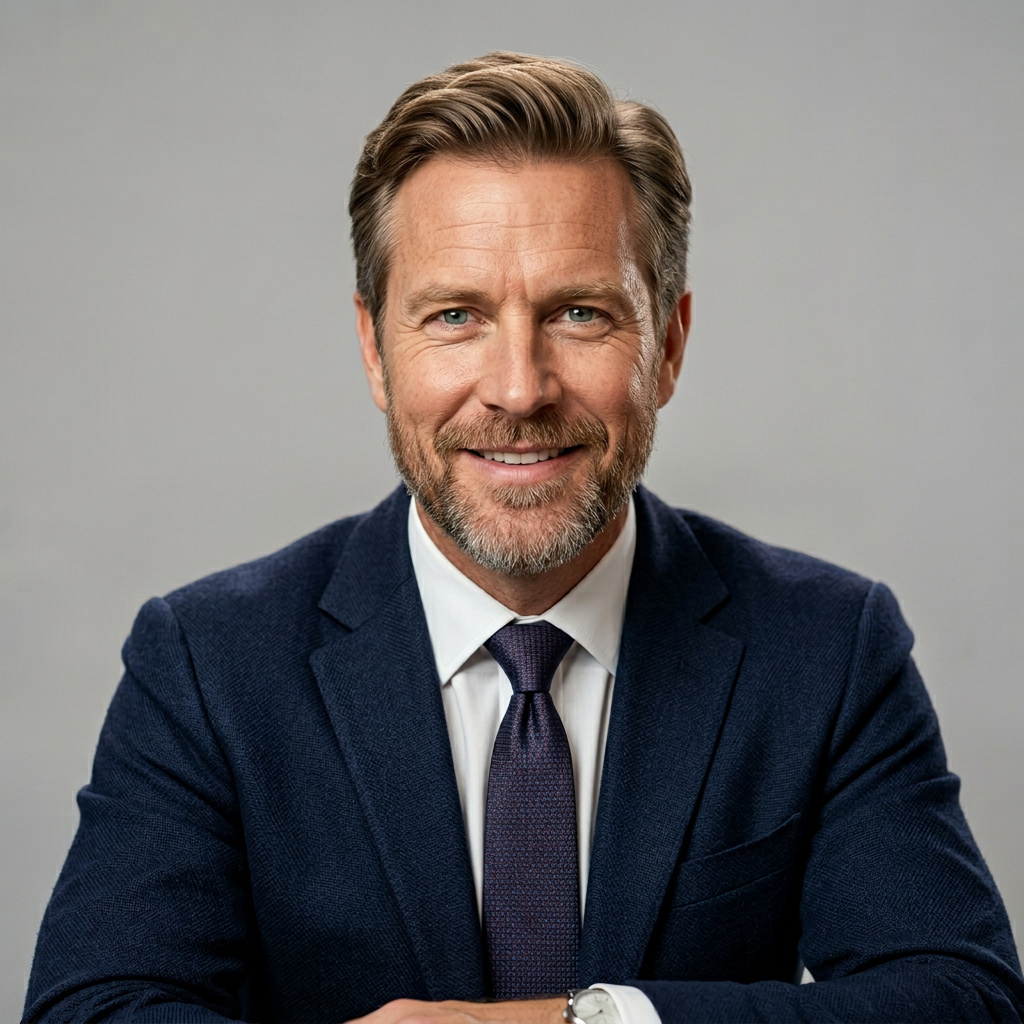
Werner Herzog: Filmmaker, Documentary Legend, and Eccentric Genius
There aren’t many filmmakers who can make you laugh, wince, and rethink the meaning of life all in the same sentence. Werner Herzog has been doing exactly that for over six decades, building a body of work that refuses to sit still between fiction and documentary.
Birth date: September 5, 1942 · Place of birth: Munich, Germany · Films directed: Over 60 feature and documentary films · First film: 1961, at age 19 · Major movement: Pioneer of New German Cinema
Quick snapshot
- German filmmaker born in 1942, known for both feature films and documentaries (Britannica biography)
- Pioneer of the New German Cinema movement (Britannica biography)
- Directed landmark films including Aguirre, the Wrath of God (1972) and Fitzcarraldo (1982) (Britannica biography)
- The exact reason for his refusal to speak French beyond his own stated anecdote about a customs officer
- The full extent of production budgets for his independent films
- 1961 – First film at age 19
- 1972 – Aguirre, the Wrath of God released
- 2006 – Shot with pellet gun during BBC interview
- 2009 – Film taking 48 years to complete released
- Herzog continues to direct, recently releasing Fireball: Visitors From Darker Worlds (Apple TV filmography)
- Retrospective Infinite Horizons: The Films of Werner Herzog ran from November 2023 to February 2024 at Berkeley Art Museum and Pacific Film Archive (BAMPFA program listing)
Five key facts, one pattern: Herzog’s life and career are built on contradictions — he is both a methodical craftsman and a wild romantic, a public eccentric who treats filmmaking with monastic discipline.
Below, a summary of core biographical data.
| Attribute | Value |
|---|---|
| Full Name | Werner Herzog Stipetić |
| Born | September 5, 1942 (Munich, Germany) |
| Occupation | Film director, producer, screenwriter, actor, author |
| Years Active | 1961–present |
| Major Awards | Numerous international awards including the Bavarian Film Award, Golden Lion, and Academy Award nomination |
The pattern: Herzog’s discipline and obsession produce work that defies easy categorization.
Why is Werner Herzog so famous?
Herzog’s fame rests on a career of pushing boundaries — both cinematic and physical. He built his reputation through landmark films, a unique documentary philosophy, and a larger-than-life persona.
Pioneer of New German Cinema
Alongside Rainer Werner Fassbinder and Wim Wenders, Herzog spearheaded New German Cinema in the 1970s. His films like Aguirre, the Wrath of God (1972) and Fitzcarraldo (1982) are now canonical, known for their ambitious scope and extreme production conditions (Britannica biography).
Unique Documentary Style
Herzog’s documentaries reject conventional factual reporting in favor of what he calls “ecstatic truth.” His work forgoes neutral observation for a poetic, subjective exploration of reality (Directors Guild of America interview). The catch: this approach blurs the line between fiction and documentary, forcing viewers to question what “truth” means in nonfiction filmmaking.
Enduring Cultural Impact
Herzog’s distinctive voice and eccentric persona have made him a cultural icon beyond cinema. He has appeared in films and series like Jack Reacher and The Mandalorian, and his aphorisms — such as “The burden of dreams” — permeate popular culture (MUBI cast page).
When did Werner Herzog get shot?
In 2006, Herzog was shot with a pellet gun during a BBC interview in Los Angeles. The incident has become one of the most frequently cited stories about his stoicism.
The 2006 Interview Incident
While filming an interview with BBC journalist Paul Berczeller, Herzog was struck in the torso by a pellet fired from a nearby location. The pellet hit him low in the rib cage. Herzog later noted that the wound was not serious, but the event stunned the crew (CBS News report).
Herzog’s Reaction to the Shooting
After being hit, Herzog continued the interview. He later commented that the shooter was likely a “frustrated individual” and that he felt no anger. The incident was captured on audio and became a key part of his public mythology. The pattern: Herzog’s response — calm, analytical, unbothered — mirrors the discipline he applies to filmmaking.
“It was not a serious wound. I continued the interview. The shooter was probably a frustrated individual.” — Werner Herzog, speaking on the 2006 incident
Why does Werner Herzog refuse to speak French?
Herzog has publicly stated that he will not speak French, citing a single encounter with a French customs officer as the reason. The refusal is a matter of principle, not inability.
A Matter of Principle
The anecdote: While crossing a border, a French customs officer demanded that Herzog speak French. Herzog refused and has maintained that stance ever since. He views the demand as a stand against bureaucratic rudeness and cultural arrogance. The catch: This story is entirely self-reported — there is no independent verification of the event.
Herzog’s Stance on Language
Herzog speaks other languages, including English and German, fluently. His refusal is specific to French, a position he has maintained for decades. It is a known and often-quoted aspect of his personal mythology, frequently referenced in interviews and articles.
What was Werner Herzog’s famous quote?
Herzog is known for many memorable lines, but the most famous comes from the production of Fitzcarraldo.
The Burden of Dreams Quote
In the documentary Burden of Dreams, which chronicles the arduous production of Fitzcarraldo, Herzog says: “The burden of dreams.” The phrase encapsulates his philosophy — that the act of creating art requires a near-impossible struggle. The implication: For Herzog, the cost of making a film — physical, emotional, financial — is part of the meaning.
Other Iconic Herzog Sayings
Other notable quotes include: “Trust in my wild fantasies” from a The Talks interview, and his admonition that “civilization is not safe — it’s an illusion.” His quotes often reflect his philosophical and existential worldview, blending pessimism with a fierce commitment to creative action (The Talks interview).
What movie took 48 years to make?
The film My Son, My Son, What Have Ye Done, directed by Herzog, took 48 years from initial concept to release in 2009.
The Film ‘My Son, My Son, What Have Ye Done’
Herzog conceived the project in the 1960s, but it was only in the late 2000s that he completed it. The film is based on the real-life story of a man who commits a crime, and it explores themes of madness and family. The pattern: Herzog’s willingness to wait decades for the right moment to make a film shows his long-term commitment to an idea.
Herzog’s Long-Gestating Projects
This is not the only Herzog project with a long gestation. His career is marked by ideas that he pursued for years, even when the conditions were not right. The 48-year gap between idea and release is an extreme example of his patience.
What camera did Werner Herzog steal?
As a young filmmaker, Herzog famously stole a 35mm camera from the Munich Film School to make his first short film.
The Munich Film School Theft
In the early 1960s, Herzog stole a 35mm camera from the Munich Film School, using it to produce his first short film, Herakles. The implication: This act is not simply a youthful transgression — it signals a determination to make films regardless of obstacles, a trait that defines his entire career.
A Story of Filmmaking Determination
Herzog has never expressed remorse for the theft, framing it as a necessary act for his artistic survival. The story is often cited as an example of his relentless pursuit of filmmaking, illustrating that rules were secondary to the goal of creating cinema.
reddit.com, en.wikipedia.org, youtube.com, ebsco.com, offscreen.com
His relentless approach to storytelling is well documented in Werner Herzogs biography and films, which traces his journey from New German Cinema to international acclaim.
Frequently Asked Questions
What is Werner Herzog’s most famous film?
Herzog is best known for Aguirre, the Wrath of God (1972) and Fitzcarraldo (1982), both starring Klaus Kinski. Grizzly Man (2005) remains his most widely seen documentary.
What makes a Werner Herzog documentary unique?
His documentaries pursue “ecstatic truth” — a subjective, poetic approach to reality — rather than objective, factual reporting. He frequently uses his own voice for narration, blurring the line between filmmaker and subject.
Who is Klaus Kinski and what was his relationship with Herzog?
Klaus Kinski was a volatile German actor who starred in five Herzog films. Their relationship was famously combative, with documented incidents of physical threats and intense creative conflict.
Has Werner Herzog won an Oscar?
Herzog has been nominated for an Academy Award but has never won. He received a Best Documentary Feature nomination for Encounters at the End of the World (2007).
What is the meaning of ‘The Burden of Dreams’?
“The burden of dreams” is a phrase Herzog used to describe the weight and cost of realizing his creative vision, particularly during the production of Fitzcarraldo. It reflects his view that artistic creation requires immense personal sacrifice.
Where can I watch Werner Herzog movies?
Herzog’s films are available across major streaming platforms, including Amazon Prime, Apple TV, and The Criterion Channel. His documentary Fireball: Visitors From Darker Worlds is available on Apple TV.
What is Werner Herzog’s nationality?
Herzog is German. He was born in Munich, Germany, in 1942.
More related posts
 Annie Murphy: Post-Schitt’s Creek, Husband, and Latest News
 Where to Watch 2026 Winter Olympics: TV & Streaming Guide
 Bernie Madoff Ponzi Scheme: Facts, Timeline & Victims
 Can Dogs Have Cherries? Risks, Benefits & Safe Tips
 Teddy Swims Lose Control: Song Meaning, Tattoos & Career
 Blood Types: Rarest, Most Common, and Compatibility
 Michelle Monaghan: Age, Height, Fitness Secrets, Husband & Movies
 Adam Foote: From Stanley Cup champ to fired Canucks coach