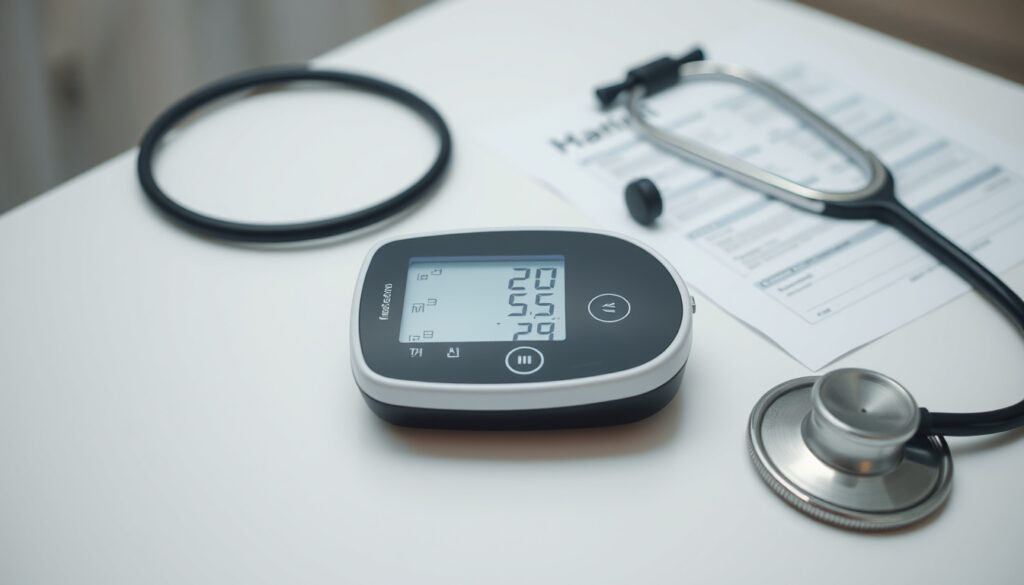
Symptoms of Low Blood Pressure (Hypotension): Signs and Causes
You’ve been feeling off lately—maybe a little dizzy when you stand up too fast, or a bit unsteady after meals. These aren’t just random moments. They could be signals your body is sending about blood pressure that’s running lower than ideal. The good news: most low blood pressure cases are manageable once you know what to watch for.
Low BP threshold: <90/60 mmHg · Most common symptom: Dizziness or lightheadedness · Fainting risk: Syncope or passing out · Blurred vision: Reported in multiple cases · Nausea presence: Often accompanies
Quick snapshot
- Dizziness as primary symptom per Mayo Clinic (Medical Authority)
- Nausea common per NHS (UK Health Service)
- Exact thresholds by age and gender remain less precisely defined in general guidance
- Individual variation makes universal thresholds challenging to establish
- Postprandial hypotension occurs 1–2 hours after eating per Mayo Clinic (Medical Authority)
- Orthostatic drops manifest within 2–5 minutes of standing per Mayo Clinic (Medical Authority)
- Symptom recognition leads to lifestyle adjustments or medical consultation per NHS (UK Health Service)
- Persistent symptoms warrant professional evaluation per Mayo Clinic (Medical Authority)
Four key facts stand out across major medical authorities: the threshold value, the primary symptom, the syncope risk, and the vision impact. Below is the reference table medical professionals use when assessing hypotension.
| Attribute | Value |
|---|---|
| Threshold | <90/60 mmHg |
| Top Symptom | Dizziness/lightheadedness |
| Syncope | Fainting episodes |
| Vision Issue | Blurred or distorted |
| Orthostatic systolic drop | 20 mm Hg |
| Orthostatic diastolic drop | 10 mm Hg |
The table above establishes the clinical boundaries for hypotension diagnosis based on established medical standards.
How does your body feel when blood pressure is low?
When blood pressure drops below the Mayo Clinic (Medical Authority) threshold of 90/60 mm Hg, your body sends distress signals that range from mild discomfort to serious impairment.
Dizziness and lightheadedness
The most reported symptom, dizziness occurs because your brain isn’t receiving adequate blood flow. According to the NHS (UK Health Service), lightheadedness or dizziness is the primary warning sign that prompts most people to check their blood pressure. Mayo Clinic notes that even a systolic drop from 110 to 90 mm Hg can trigger this sensation.
Fainting or passing out
Fainting represents a key symptom of hypotension that carries immediate safety risks. Cleveland Clinic (Medical Center) identifies falls as the biggest risk with low blood pressure, and these falls often result from fainting episodes. The danger isn’t just the fall itself—it’s the potential for head injuries, fractures, and reduced independence, especially in older adults.
Nausea or vomiting
Feeling sick accompanies low blood pressure frequently. The NHS (UK Health Service) lists nausea among core symptoms, while the Mayo Clinic (Medical Authority) adds upset stomach to the constellation of digestive disturbances that can accompany hypotensive episodes.
What are the 10 signs of low blood pressure?
Medical authorities across institutions track symptom patterns to help patients and providers recognize hypotension before it causes harm.
Severe headaches or delirium
Confusion can set in when brain perfusion drops significantly. The Mayo Clinic (Medical Authority) associates confusion with low blood pressure, and this symptom becomes particularly concerning in older adults where it may signal shock.
Decreased concentration
Fatigue and trouble concentrating stem from inadequate oxygen delivery to brain tissue. Mayo Clinic (Medical Authority) lists both as recognized symptoms that can affect daily functioning and workplace productivity.
Cold or clammy skin
When blood pressure drops to dangerous levels causing shock, the body’s emergency response includes cold, clammy skin along with rapid, shallow breathing. The Mayo Clinic (Medical Authority) identifies these as red-flag signs requiring immediate emergency intervention.
The progression from mild symptoms (dizziness, nausea) to moderate ones (confusion, fatigue) to severe (cold clammy skin, shock) follows a recognizable path. Recognizing where you fall on this spectrum determines whether you need rest and fluids or emergency services.
What to do if blood pressure is too low?
When symptoms strike, the response depends on severity. Quick action can prevent fainting injuries, while knowing when to call for help saves lives.
Immediate steps
The NHS (UK Health Service) advises sitting or lying down immediately when dizzy, and raising legs if possible to promote blood return to the core. Drinking fluids helps restore blood volume, while avoiding sudden standing prevents orthostatic episodes.
When to seek help
According to Mayo Clinic (Medical Authority), frequent symptoms warrant seeing a healthcare provider immediately. Emergency signs include cold clammy skin, rapid shallow breathing, weak rapid pulse, and confusion—these suggest shock and require calling emergency services without delay.
Most hypotension episodes respond to simple interventions: fluids, salt, and leg elevation. But delaying professional evaluation for recurring symptoms means risking the underlying cause—dehydration, medication effects, or cardiac issues—goes unaddressed.
What not to eat when BP is low?
Diet directly influences blood pressure stability. Certain eating patterns trigger drops that leave you dizzy and unwell.
Foods to avoid
The Mayo Clinic (Medical Authority) recommends avoiding large carbohydrate meals because they divert blood flow to digestion, worsening postprandial hypotension. Alcohol should be limited as it causes vasodilation and further drops blood pressure.
Foods to include
Small, low-carb meals reduce the postprandial blood flow competition, per Mayo Clinic (Medical Authority). Increasing salt intake modestly can help raise blood pressure, though this guidance applies primarily to otherwise healthy individuals without hypertension concerns.
For older adults experiencing postprandial dizziness—symptoms appearing 1–2 hours after meals—meal composition often proves more actionable than medication adjustments. The fix might be as simple as smaller portions with more protein.
What drink brings up blood pressure?
Fluid intake represents the fastest way to address hypotension caused by volume depletion, and certain beverages offer advantages beyond basic hydration.
Hydration options
Water serves as the frontline intervention. For faster sodium replacement, sports drinks containing electrolytes help restore both fluid volume and the sodium balance critical for maintaining blood pressure, per Mayo Clinic (Medical Authority).
Caffeine effects
Caffeine provides temporary pressor effects by stimulating the cardiovascular system. However, this approach carries diminishing returns with regular use, and caffeine can disrupt sleep patterns that themselves influence blood pressure regulation.
Confirmed facts
- Dizziness as primary symptom per Mayo Clinic (Medical Authority)
- Nausea common per Cleveland Clinic (Medical Center)
- Blurred vision listed by Mayo Clinic (Medical Authority)
- Fainting risk confirmed by NHS (UK Health Service)
- Confusion associated with low blood pressure per Mayo Clinic (Medical Authority)
- Orthostatic hypotension drops defined as 20/10 mm Hg per Mayo Clinic (Medical Authority)
- Postprandial hypotension onset 1–2 hours after eating per Mayo Clinic (Medical Authority)
- Shock symptoms include cold clammy skin per Mayo Clinic (Medical Authority)
What remains unclear
- Precise thresholds by specific age groups
- Gender-specific symptom variations without overlap
- Individual baseline differences complicate universal thresholds
Low blood pressure can sometimes cause dizziness and fainting or be life-threatening.
— Mayo Clinic (Medical Authority)
Get your blood pressure checked if you keep getting symptoms like lightheadedness or dizziness.
— NHS (UK Health Service)
Falls and fall-related injuries: These are the biggest risks with hypotension.
— Cleveland Clinic (Medical Center)
A drop of 20 millimeters of mercury (mm Hg) in the top number within 2 to 5 minutes of standing is a sign of orthostatic hypotension.
— Mayo Clinic (Medical Authority)
For anyone experiencing recurring dizziness or near-fainting episodes, the path forward involves two parallel actions: monitor your symptoms to identify triggers like meals or standing, and consult a healthcare provider to rule out underlying causes. The distinction between occasional lightheadedness and patterns suggesting orthostatic or postprandial hypotension determines whether lifestyle adjustments or medical investigation takes priority.
Related reading: Signs & Risks of Tooth Infection
hilo.com, mayo.edu, mayoclinic.org, connect.mayoclinic.org, newsnetwork.mayoclinic.org, newsnetwork.mayoclinic.org
Dizziness and blurred vision often emerge as primary signs causes and fixes during routine activities like grocery shopping.
Frequently asked questions
Is low blood pressure dangerous?
Low blood pressure isn’t always dangerous—many people function normally with readings below 90/60 mm Hg. However, when symptoms like dizziness, fainting, or confusion occur, it can indicate inadequate blood flow to vital organs. In severe cases, shock can develop, requiring emergency care.
What is low blood pressure by age?
General guidelines define hypotension as below 90/60 mm Hg for most adults regardless of age. However, older adults may experience symptoms at higher readings due to reduced baroreceptor sensitivity. Children and young adults may have naturally lower readings without symptoms.
What is a dangerous low blood pressure for a woman?
The same threshold applies: below 90/60 mm Hg raises concern. However, pregnant women commonly experience lower readings without harm. Danger signs in any individual include shock symptoms—cold clammy skin, rapid breathing, confusion—regardless of the numerical reading.
What is a dangerous low blood pressure for a man?
Below 90/60 mm Hg warrants attention. Men experiencing systolic drops of 20 mm Hg or more within minutes of standing should seek evaluation for orthostatic hypotension. Emergency intervention is needed when syncope, shock symptoms, or organ hypoperfusion signs appear.
What is the low blood pressure range?
Normal blood pressure sits around 120/80 mm Hg. Hypotension generally falls below 90/60 mm Hg, with diastolic readings below 60 mm Hg marking the lower boundary. The range between varies based on individual baseline, symptoms, and health status.
What is stroke level blood pressure?
Stroke-level blood pressure typically refers to severely elevated readings, often above 180/120 mm Hg (hypertensive crisis). However, extremely low blood pressure can also cause stroke-like symptoms when cerebral perfusion fails. Both extremes require emergency evaluation.
Does vertigo relate to low blood pressure?
Vertigo—a spinning sensation—can accompany hypotension-related dizziness because both conditions reduce blood flow to the inner ear and brain. While vertigo has many causes, orthostatic hypotension triggered by standing should be considered when spinning follows positional changes.
More related posts
 Royal Ashburn Golf Club: Fees, Reviews & Course Guide
 NHL Eastern Conference Standings – 2024-25 Final Playoff Picture
 Galaxy S23 Ultra to Buy – Best Prices and Deals 2024
 India Women vs England Women Match Scorecard – 1st ODI Result & Stats
 New York City vs Inter Miami: Score, Salary & Rivalry
 Cynthia Erivo Movies and TV Shows – Complete Filmography 2018-2027
 Kimberly Williams-Paisley: Bio, Career, Family & Health
 Galaxy Z Fold to Buy in Ireland: Z Fold6 vs Z Fold7 Prices